
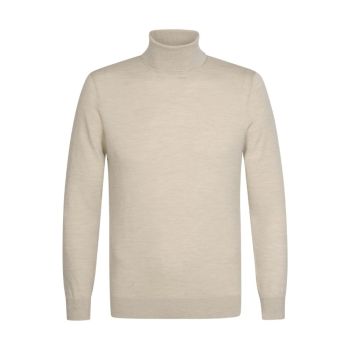
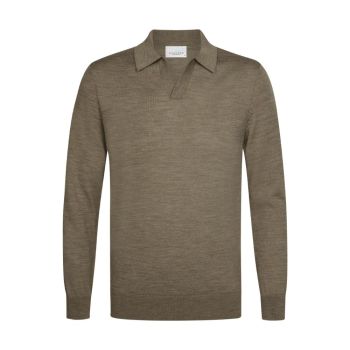
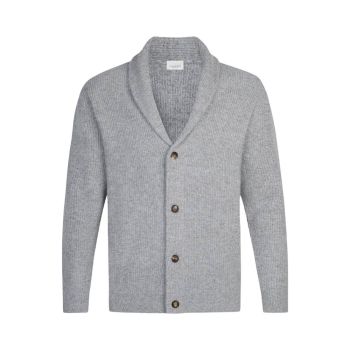
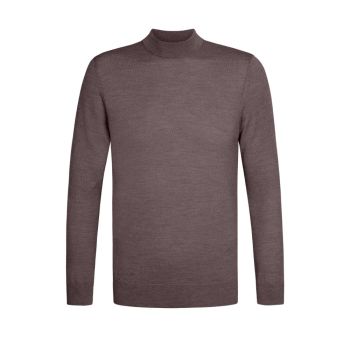
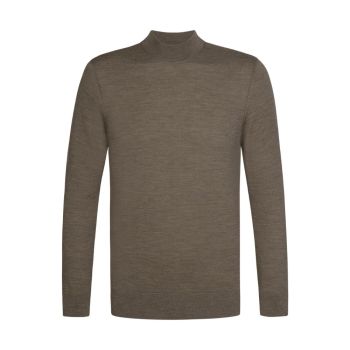
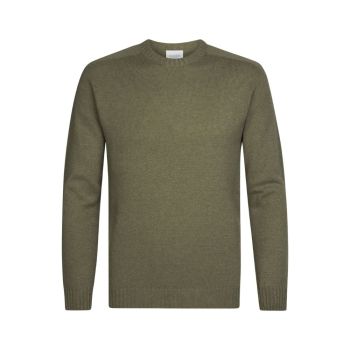
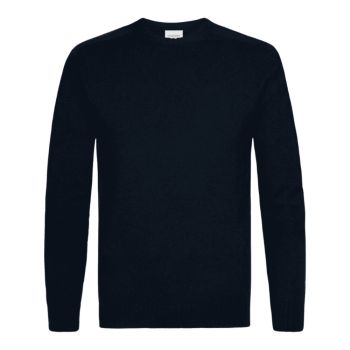
Quiet luxury is easy to recognise by now. Soft tailoring, excellent knitwear, discreet branding, muted colours and the kind of shoes that rarely need to introduce themselves. Which is slightly ironic for a style built around understatement.
But the look is becoming the least interesting part of it. In 2026, quiet luxury feels less like a dress code and more like a change in what we notice. The label matters a little less when the material, shape or construction already gives you a reason to look twice.
A trend that outgrew the wardrobe
Fashion gave quiet luxury its name, but not its idea. Understated luxury existed long before camel coats and cashmere became an algorithm-friendly aesthetic. EHL links the trend to what researchers call inconspicuous consumption: luxury that communicates in subtler ways, often recognised more easily by people who know what they are looking at.
That is part of the appeal. A large logo tells the room what something is. A beautifully cut jacket, an unusual leather or a particular watch reference asks for a little more knowledge.
Neither is inherently better. Luxury has always enjoyed being seen. Quiet luxury simply added another pleasure to the mix: recognising quality before seeing the name.
Knowing becomes part of the appeal
That shift matters because luxury itself has become much easier to recognise. The world's biggest brands are more visible than ever, which makes the details underneath the branding more interesting.
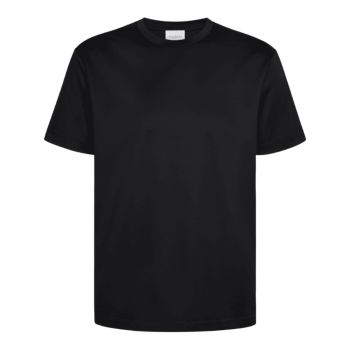
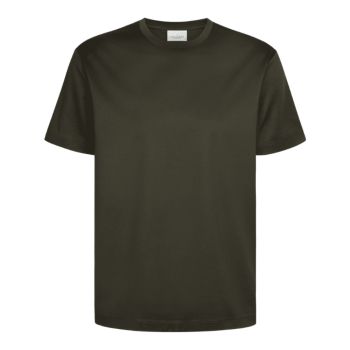
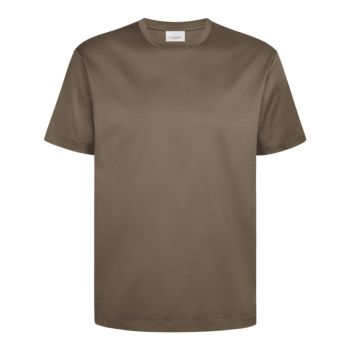
You see it in menswear, where fabric, proportion and construction can say more than a monogram. But it works just as well elsewhere. The balance of a pen. The weight of good glassware. The finish on a travel bag. A speaker whose design is recognisable without putting the brand across the front.
Recent luxury research also points towards something more personal. Emotional connection, individual taste and recognition by the right people are increasingly important alongside the traditional ideas of status and exclusivity. In less academic terms: what something means to its owner matters more.
Beyond fashion
That is where quiet luxury becomes particularly interesting for Luxury For Men. Not because every object should suddenly become beige and logo-free, but because so many good products reveal themselves through use.
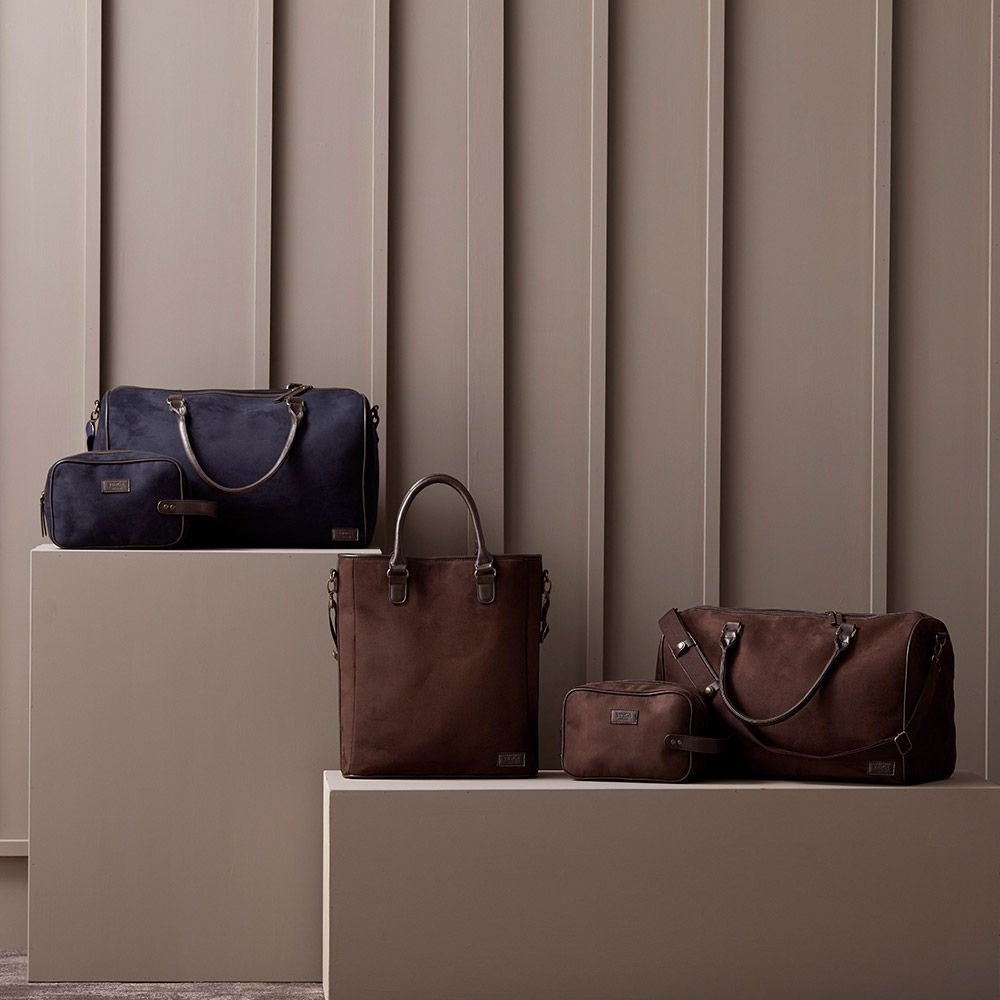
A mouth-blown decanter makes more sense in your hand than on a product page. A Leather Weekender becomes more personal after the first dozen trips. Solid wood on a desk gradually feels normal enough that going back to plastic suddenly seems strange.
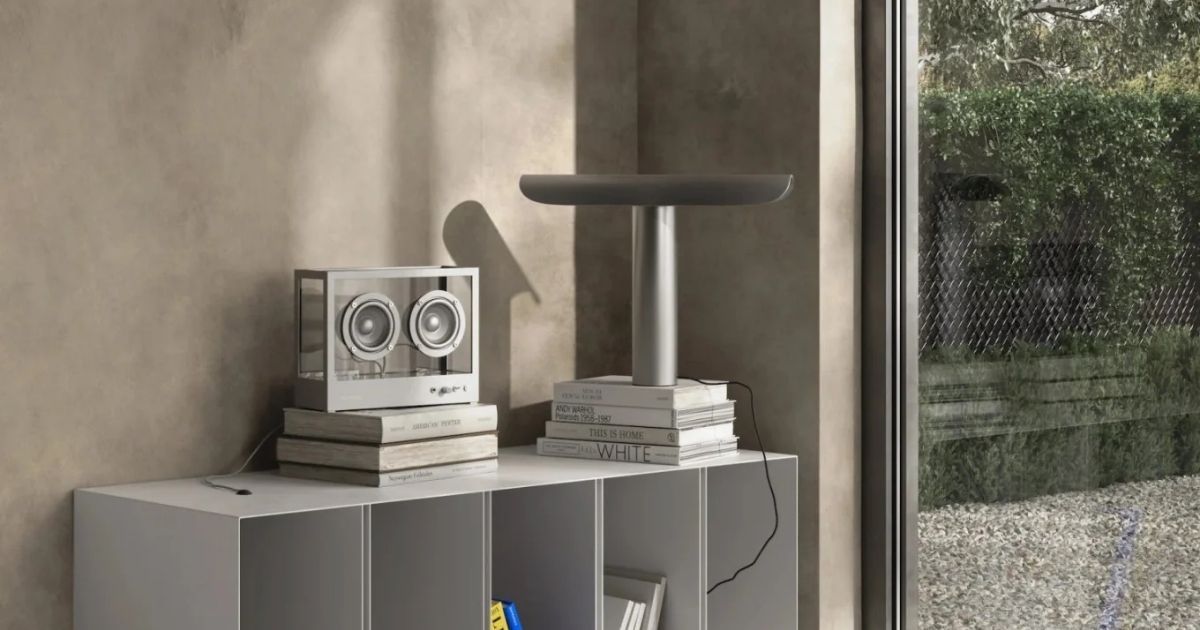
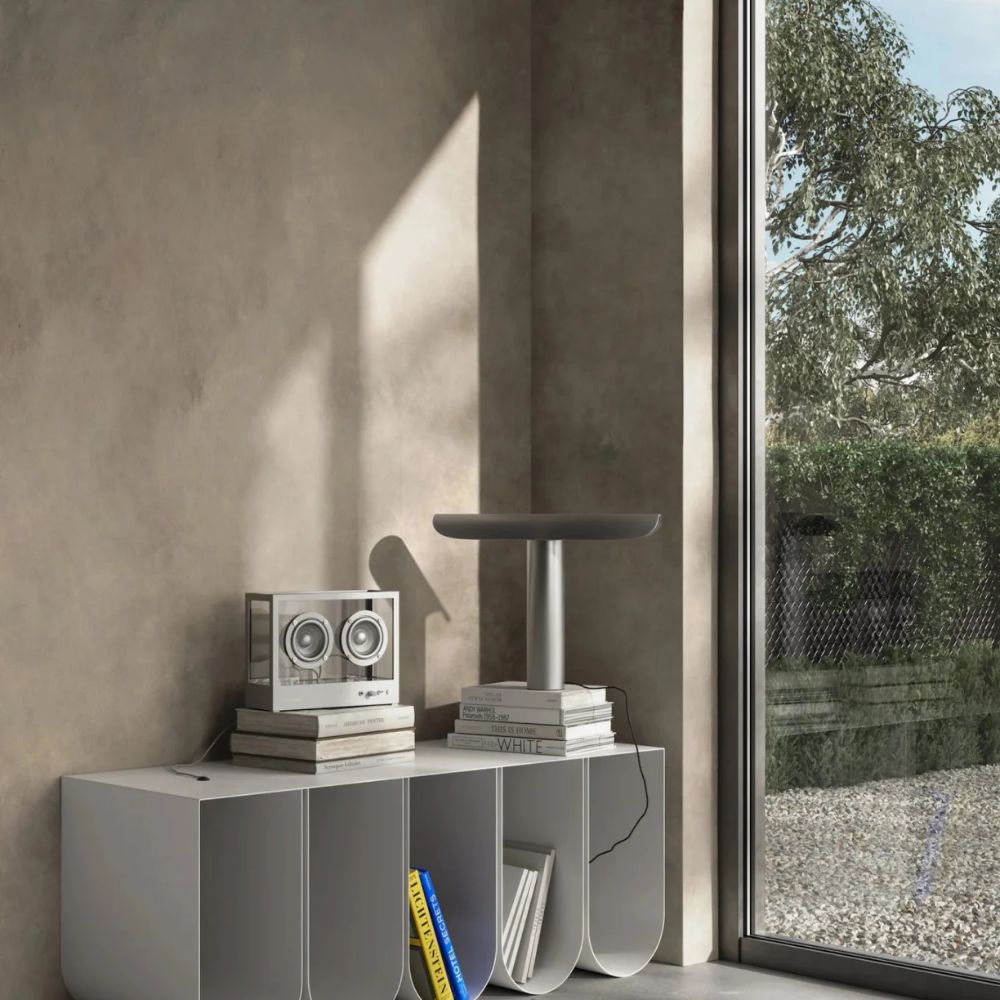
Even something as expressive as a Transparent Speaker can fit the idea. It certainly is not invisible, but it does not need to rely on branding for its identity. The glass, aluminium and exposed components are the identity.
Quiet luxury does not have to mean quiet design. It simply gives the product more of the work.
The luxury of keeping something
Perhaps that is the part of the trend that feels most relevant now. We spend plenty of time discussing what is new, while some of the most satisfying things to own only become better once they stop being new.
Leather softens. Brass darkens. Wood changes. A favourite bag collects the marks of the trips it has been on. A book stays open because somebody keeps picking it up. The glasses you bought as a set somehow stop being interchangeable.
We usually call that longevity, but durability is only half the appeal. Keep something long enough and familiarity becomes part of its value.
That feels particularly suited to the current idea of luxury. Less about constantly replacing one desirable object with the next, more about choosing things that continue to earn their place.
Less of a look, more of a way of choosing
Fashion will move on from quiet luxury. Parts of it already have. Colours will get louder, logos will return and the next menswear uniform will eventually make today's look feel very specific to its time.
The more lasting idea is unlikely to disappear quite as quickly. Once you start noticing the material before the packaging, the design before the logo and how something feels after a year rather than five minutes after opening the box, it is difficult to stop.
That may be why quiet luxury feels more relevant in 2026 than when the term first took off. It has become less useful as a look and more useful as a way of choosing.
Not less luxury. Just luxury that has a little more to offer once nobody is looking.